
Favorite Roof Vent Replacement Choices For Efficient Air Circulation
Browse popular vent options that ensure proper attic ventilation, reduce energy costs, and enhance your home's overall comfort.
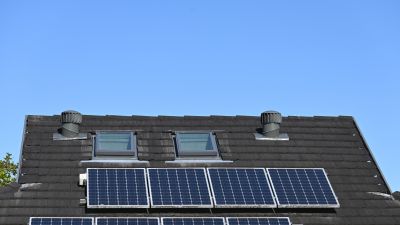 Replacing roof vents is an essential maintenance task that helps ensure proper attic ventilation and energy efficiency. The process involves selecting the right vent type to match the existing roof structure, climate conditions, and specific ventilation needs. When considering a replacement, it's important to assess the current vent's condition, compatibility with the roof, and the overall airflow requirements of the building. Proper installation not only maintains the integrity of the roof but also contributes to the longevity of the structure by preventing moisture buildup and reducing heat accumulation.
Top Overall Option
Universal Roof Vent
A versatile and durable roof vent designed to fit a wide range of roof types and sizes. It features weather-resistant materials and easy installation features, making it suitable for various ventilation needs. Its design promotes effective airflow while resisting the elements, helping to maintain attic health and energy efficiency.
Types of Products For Roof Vent Replacements
Ridge Vents
Long, continuous vents installed along the roof ridge to facilitate exhaust airflow, providing a sleek and efficient ventilation solution.
Soffit Vents
Vents installed under the eaves to allow cool air to enter the attic, supporting proper airflow alongside exhaust vents.
Turbine Vents
Wind-powered vents that spin to exhaust hot air, suitable for various roof pitches and sizes.
Powered Attic Vents
Electric or solar-powered vents that actively move air, ideal for homes requiring enhanced ventilation control.
Static Vents
Non-mechanical vents that provide passive ventilation, often used in combination with other vent types.
Box Vents
Square or rectangular vents installed on the roof surface to allow for passive exhaust airflow.
Gable Vents
Vents installed on the gable ends of the house to facilitate cross ventilation in the attic space.
Attic Fans
Large fans designed to actively exhaust hot air from the attic, often controlled by thermostats.
Vented Soffit Panels
Pre-fabricated panels with built-in vents that replace traditional soffits for improved airflow.
Hip Vents
Vents designed for hip roofs, fitting along the hips to provide additional exhaust options.
Popular Choices
Widely used for their passive operation, these vents utilize wind to help remove hot air from the attic.
Electric or solar-powered fans that actively improve attic ventilation, suitable for various roof types.
Installed along the roof ridge, these vents provide a seamless solution for exhaust airflow.
Pre-made panels with integrated vents, offering an easy upgrade for attic intake ventilation.
Simple, maintenance-free vents that provide passive ventilation, often used in combination with other types.
Vents installed on gable ends, facilitating cross-ventilation and improving airflow.
Traditional passive vents that help exhaust warm air from the attic space.
Vents powered by solar energy, providing an eco-friendly and energy-efficient ventilation option.
Active ventilation systems that turn on when attic temperatures rise, helping to regulate heat.
Specialized vents designed for hip roof configurations to enhance airflow at the hips.
Roof vent replacements come in a variety of styles, each designed to serve different purposes. Some vents are designed for intake, drawing cool air into the attic, while others are exhaust vents that allow warm, moist air to escape. Ensuring the correct balance between intake and exhaust vents is crucial for effective ventilation. Additionally, choosing vents that are durable and weather-resistant can help prolong their lifespan, especially in areas prone to harsh weather conditions.
Installation considerations include the material of the vent, ease of installation, and compatibility with existing roofing materials. Metal vents tend to be more durable and weather-resistant, while plastic options may be easier to install but might not last as long. Proper sealing around the vent to prevent leaks is also vital. Regular maintenance and inspections can help identify signs of wear or damage early, preventing costly repairs down the line. Ultimately, selecting the right roof vent replacement products can contribute to a healthier, more energy-efficient home environment.
Key Buying Considerations
- Compatibility with existing roof structure and vent opening sizes
- Material durability and weather resistance for longevity
- Type of ventilation needed: passive or active
- Proper airflow capacity to meet attic size and ventilation requirements
- Ease of installation and compatibility with roofing materials
- Weatherproofing features to prevent leaks and water intrusion
- Energy efficiency, especially for powered or solar options
- Noise levels, particularly for powered attic fans
- Maintenance requirements and accessibility for cleaning
- Local climate conditions and exposure to wind, rain, or snow
- Aesthetic integration with the roof design
- Compliance with local building codes and regulations
- Availability of replacement parts and warranty options
- Cost considerations balanced with quality and durability
- Installation complexity and whether professional help is recommended